
Knowledge
Knowledge
CIMA
Knowledge
Knowledge about combustion by-products (CBPs) is one of the key pillars of CIMA’s activity. We have been continuously developing our expertise in this area for over three decades, combining scientific research with practical implementation and actively building a space for dialogue between science, industry, and administration.
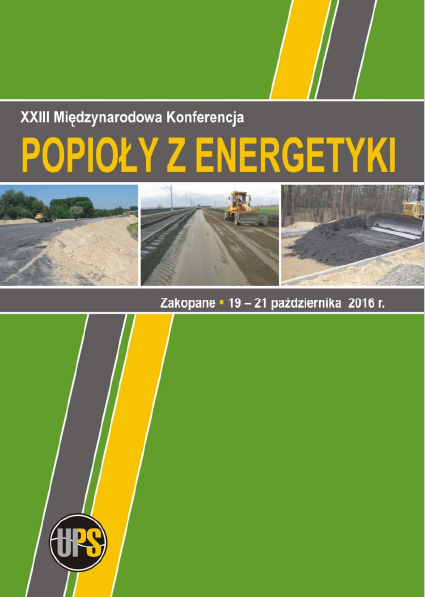
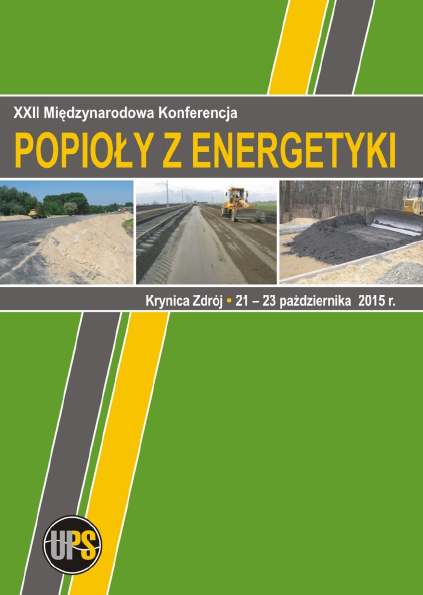
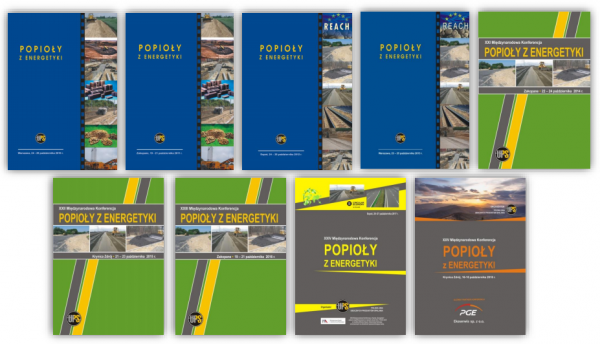
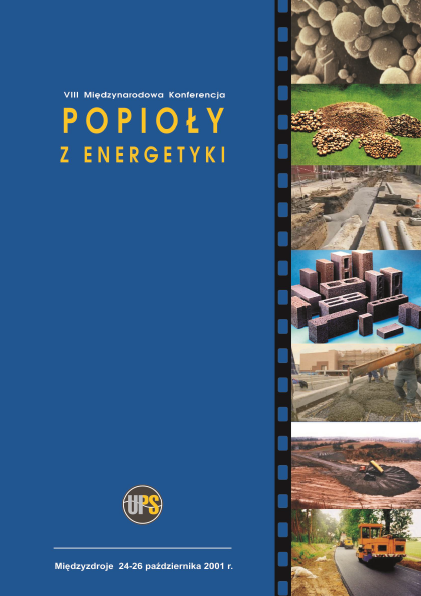
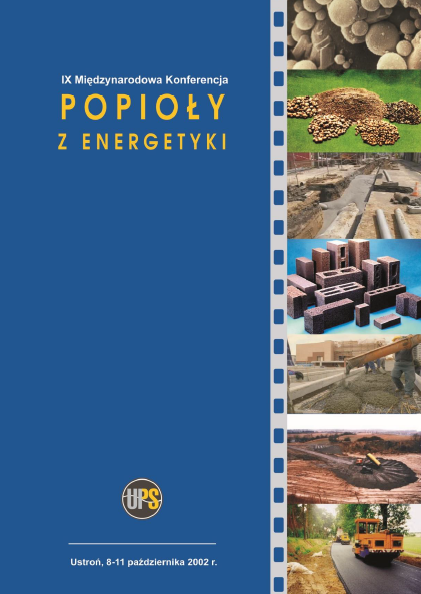
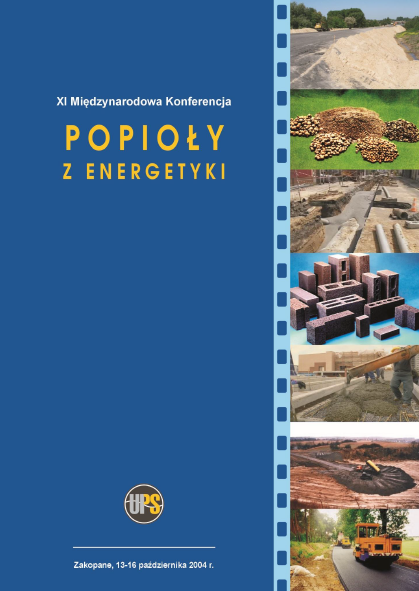
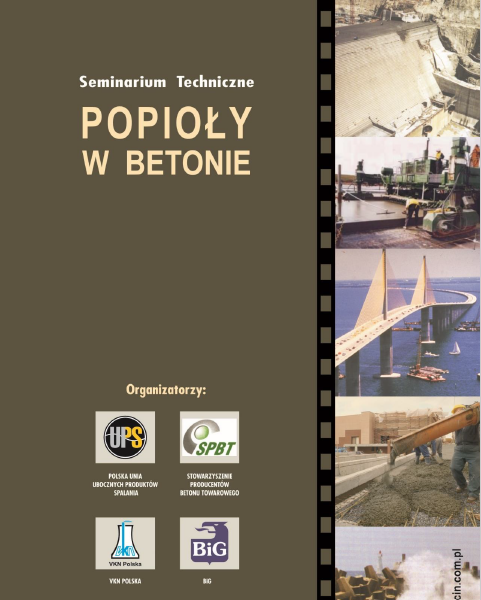
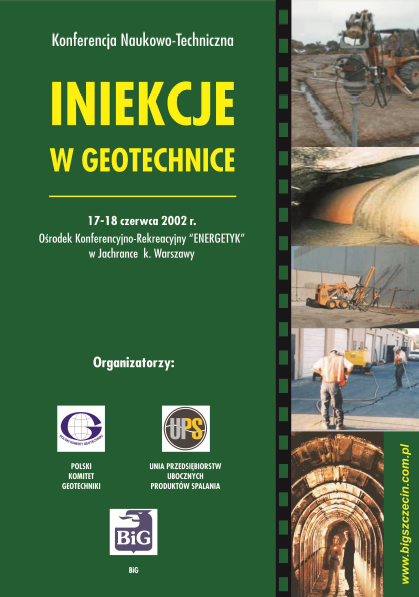
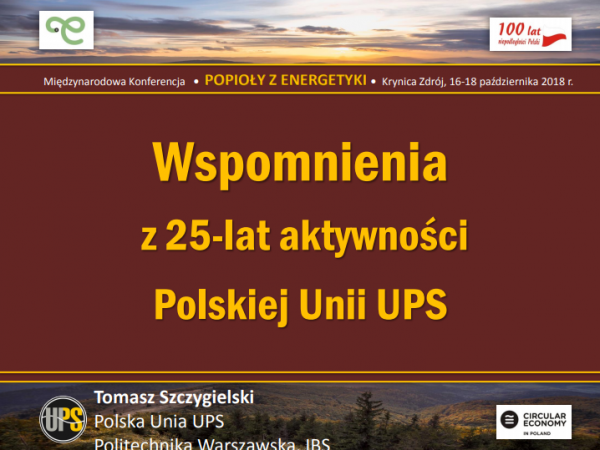
Between 1993 and 2024, Tomasz Szczygielski was the initiator and content organizer—within Ekotech and the Polish UPS Union—of the cyclical conference “Ashes from Energy Production,” one of the most important forums in Poland devoted to the formation, properties, and economic use of UPS. This conference has become a permanent venue for the presentation of research results, industrial experience, and regulatory changes, as well as a space for developing a common language and standards between sectors dealing with UPS. Its continuity and recognition mean that for years it has been setting the direction for the national debate on the role of ash and other UPS in the material and environmental economy.
A natural complement to this activity is CIMA’s role in coordinating and co-creating publications on UPS. We participate in the preparation of scientific and industry studies that document both the development of basic knowledge (composition, reactivity, research methods) and practical technological solutions and standard requirements. As a result, the knowledge base we are building is systematic and cumulative—it serves as a reference point for future generations of researchers, as well as for industrial practice and regulatory institutions.
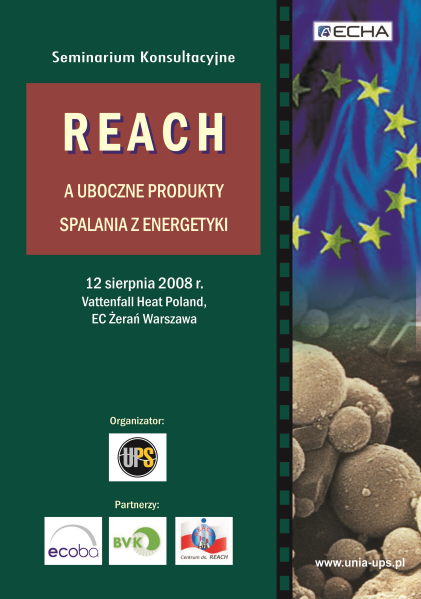
An important step in the internationalization of this activity was the co-organization of the EuroCoalAsh conference in 2008. This event brought the Polish UPS community into the mainstream of the European discussion on coal ash and its place in the circular economy. CIMA not only hosted the 2008 edition, but also participates in all subsequent editions of EuroCoalAsh in Europe, maintaining a constant presence in the international network of UPS research and implementation.
In addition, Tomasz Szczygielski has been active within ECOBA (https://www.ecoba.com/news.html) since 1999, serving as a member of the Board and Vice President, and since 2013 he has held the status of honorary member of this organization.
He also participates in the international World UPS Network (WWCCPN http://www.wwccpn.org/).
Thanks to this, CIMA remains in constant contact with the global community of experts, which strengthens our competence with an international perspective and access to experiences, standards, and good practices developed outside Poland.
Many years of conference, publishing, and international activity mean that CIMA has at its disposal not only research results, but also continuous, practical knowledge about technological trends, regulatory barriers, and the evolution of the UPS market.
This allows us to combine a scientific perspective with the real needs of the economy and to support the implementation of safe and effective UPS solutions in Poland and Europe, based on our own strong expertise and the potential of our global partners.
Publications
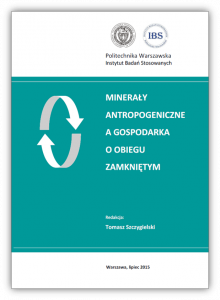
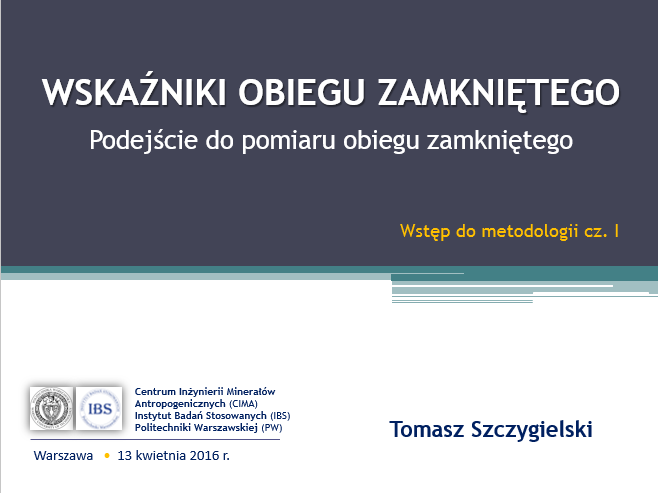
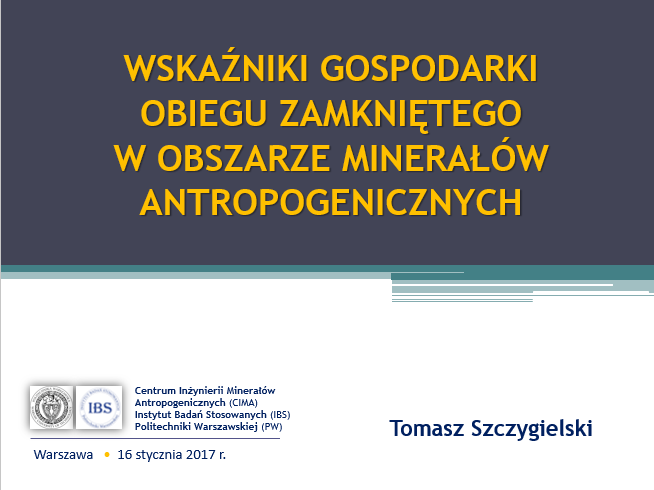
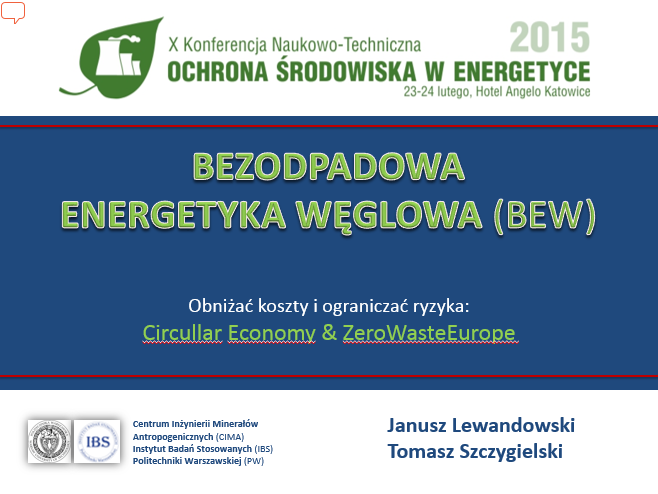
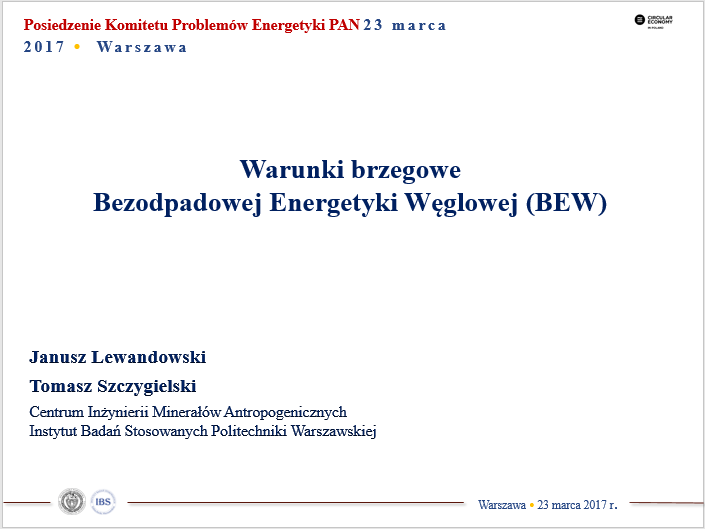
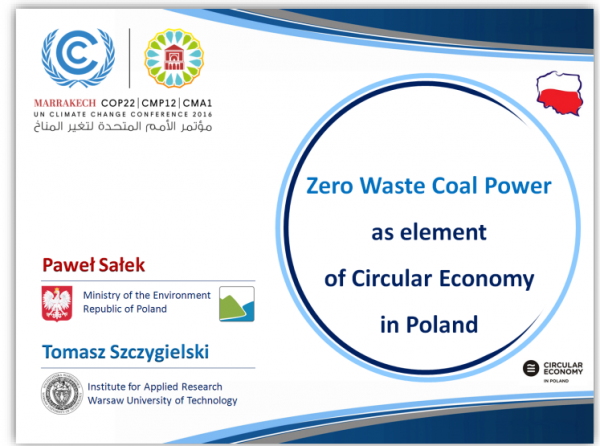
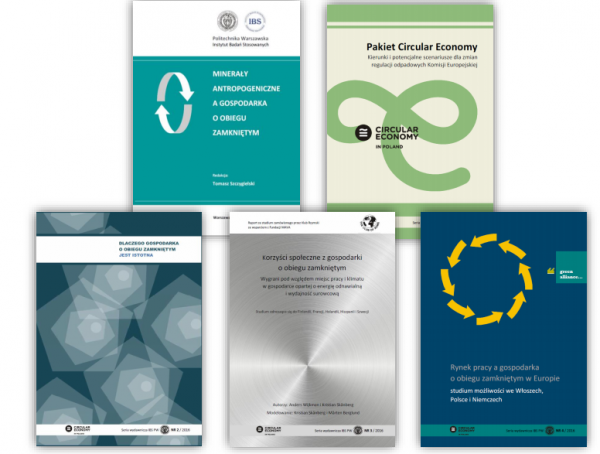
This report has been compiled In order to provide an easier access to the sources of documents and getting to know a draft of Polish position concerning anthropogenic minerals. In its first part, it presents the foundations of the circular approach in economy, pointing at source documents and referring to coal combustion products (CCP). Next, anthropogenic minerals are presented, their production and use as a resource with reference to the CE principles. It shows how poorly Poland performs in comparison with other select European states in terms of use of anthropogenic aggregates in particular. The third material presents the Roadmap – Circular Economy Strategy proposal of the European Commission. The next material presents an outline of Zero Waste Coal Power concept, with its areas for beneficiation of anthropogenic minerals and innovation in power engineering processes. What follows is a presentation of the original Circular Economy indicators and the methodology behind their calculation. It seems that they concentrate on the production of consumer goods and not on the area of our interest – the anthropogenic minerals. Because of this we present assumptions for the Zero Waste Coal Power and proposals for alternative CE indicators for this sector of economy. The report concludes with a draft position on CE for industries generating massive anthropogenic minerals, namely mainly mining of fossil fuels, mineral aggregates and coal based power sector. We see it as an overview of key areas important for the effective implementation of CE, and an introduction to genuine discussions in this scope.
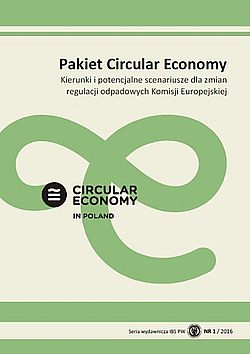
On 2 December, 2015, the European Commission has published a Circular Economy Package which also includes a Commission Communication “Closing the loop – An EU action plan for the Circular Economy” and proposals for new directives related to waste. These and other documents concerning waste and resource saving were compiled and included in this publication.
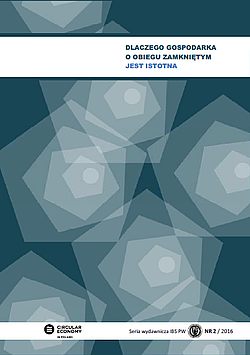
As many circular economy opportunities have a sound underlying profitability, businesses are driving the shift towards the circular economy. Yet there are often non-financial barriers limiting further scale-up or holding back pace. Policymakers therefore can play an important role to help overcome these barriers and to create the right enabling conditions and, as appropriate, set direction for a transition to the circular economy. This toolkit aims to complement existing literature by offering policymakers an actionable step-by-step methodology to design a strategy to accelerate the transition towards the circular economy.
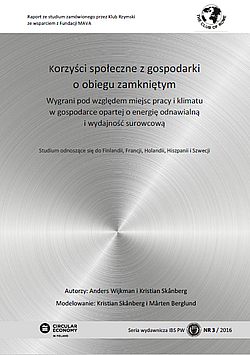
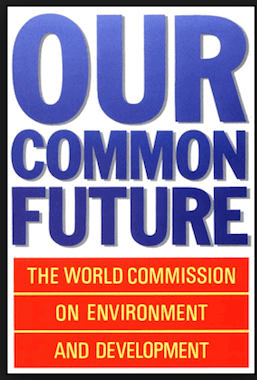
The central theme of this report is how to greatly enhance resource efficiency. The proposition is that a circular economy, where products are designed for ease of recycling, reuse, disassembly and remanufacturing should replace the traditional, linear ’take, make & dispose’ model that has dominated the economy so far. This, no doubt, is a major prerequisite to stay within the Planetary Boundaries
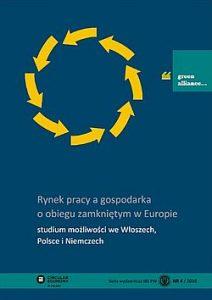
UNEMPLOYMENT AND THE CIRCULAR ECONOMY IN EUROPEA study of opportunities in Italy, Poland and Germany
This study outlines how growth in the circular economy could create large numbers of jobs in remanufacturing, repair, recycling, servitisation and the bioeconomy, across all regions and skill levels. Crucially, it departs from similar studies by showing that many of these jobs would address persistent regional and occupational discrepancies in unemployment and would, therefore, be net jobs that bring people out of unemployment, rather than displacing workers from existing jobs. It also shows that over 90 per cent of these jobs would continue to exist after 2025, despite the predicted ‘hollowing out’ of the labour market, which is characterised by the decline in mid skill level occupations.
Publikacje_Obraz P1
Opis...
Publikacje_Obraz P2
Opis...
Publikacje_Obraz P3
Opis...
Publikacje_Obraz P4
Opis...
Publikacje_Obraz P5
Opis...
Publikacje_Obraz P11
Opis...
Publikacje_Obraz P12
Opis...
Publications of Dr. Tomasz Szczygielski
Publikacje_Obraz TS1
Opis...
Publikacje_Obraz TS2
Opis...
Publikacje_Obraz TS3
Opis...
Publikacje_Obraz TS4
Opis...
Publikacje_Obraz TS5
Opis...

Publikacje_Obraz TS6
Opis...
Publikacje_Obraz TS7
Opis...
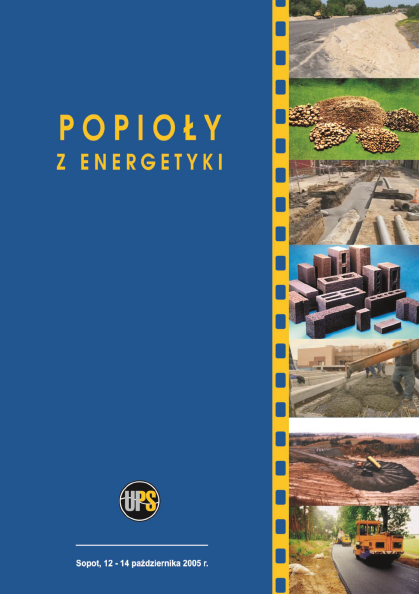
Publikacje_Obraz TS8
Opis...
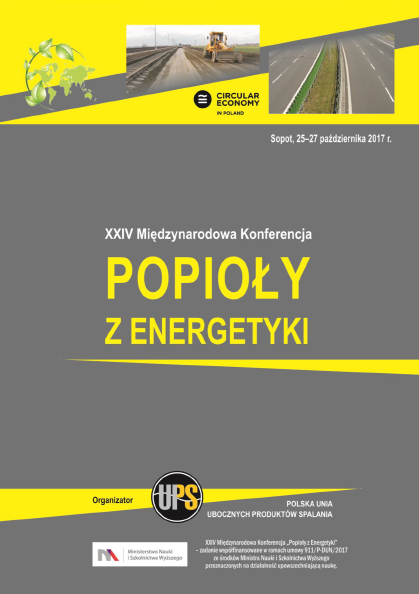
Publikacje_Obraz TS9
Opis...
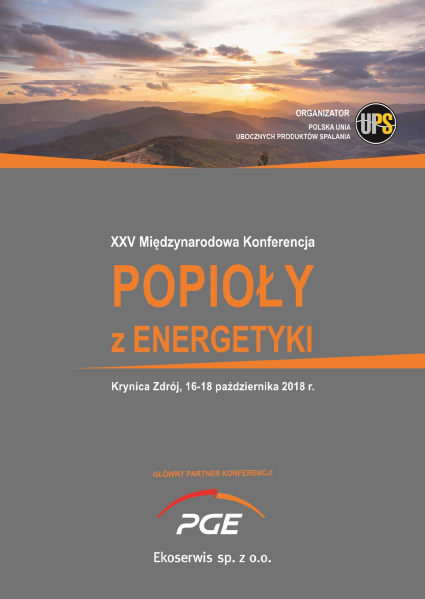
Publikacje_Obraz TS10
Opis...
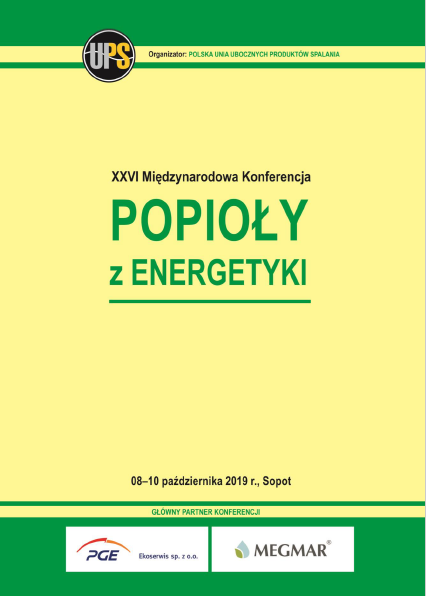
Publikacje_Obraz TS11
Opis...
Publikacje_Obraz TS12
Opis...
Publikacje_Obraz TS13
Opis...
Publikacje_Obraz TS14
Opis...
Publikacje_Obraz TS15
Opis...
Academic Progress
This report has been compiled In order to provide an easier access to the sources of documents and getting to know a draft of Polish position concerning anthropogenic minerals. In its first part, it presents the foundations of the circular approach in economy, pointing at source documents and referring to coal combustion products (CCP). Next, anthropogenic minerals are presented, their production and use as a resource with reference to the CE principles. It shows how poorly Poland performs in comparison with other select European states in terms of use of anthropogenic aggregates in particular. The third material presents the Roadmap – Circular Economy Strategy proposal of the European Commission. The next material presents an outline of Zero Waste Coal Power concept, with its areas for beneficiation of anthropogenic minerals and innovation in power engineering processes. What follows is a presentation of the original Circular Economy indicators and the methodology behind their calculation. It seems that they concentrate on the production of consumer goods and not on the area of our interest – the anthropogenic minerals. Because of this we present assumptions for the Zero Waste Coal Power and proposals for alternative CE indicators for this sector of economy. The report concludes with a draft position on CE for industries generating massive anthropogenic minerals, namely mainly mining of fossil fuels, mineral aggregates and coal based power sector. We see it as an overview of key areas important for the effective implementation of CE, and an introduction to genuine discussions in this scope.
On 2 December, 2015, the European Commission has published a Circular Economy Package which also includes a Commission Communication “Closing the loop – An EU action plan for the Circular Economy” and proposals for new directives related to waste. These and other documents concerning waste and resource saving were compiled and included in this publication.
As many circular economy opportunities have a sound underlying profitability, businesses are driving the shift towards the circular economy. Yet there are often non-financial barriers limiting further scale-up or holding back pace. Policymakers therefore can play an important role to help overcome these barriers and to create the right enabling conditions and, as appropriate, set direction for a transition to the circular economy. This toolkit aims to complement existing literature by offering policymakers an actionable step-by-step methodology to design a strategy to accelerate the transition towards the circular economy.
The central theme of this report is how to greatly enhance resource efficiency. The proposition is that a circular economy, where products are designed for ease of recycling, reuse, disassembly and remanufacturing should replace the traditional, linear ’take, make & dispose’ model that has dominated the economy so far. This, no doubt, is a major prerequisite to stay within the Planetary Boundaries
Teaching Materials
Do you have any questions?
If you need any additional information regarding our activities, research, or collaboration, please contact us. We will be happy to provide detailed explanations and answer any questions you may have.