
Ashes
Ashes
CIMA
Ashes
Not all ash is the same. The possibility of use is determined not by the name of the material, but by its composition, technology of creation, repeatability of parameters, washability and the requirements of a specific application.
Power plant ash is a fine-grained mineral residue produced during the thermal conversion of fuels (combustion or co-combustion) in power plants and industrial facilities. It is a by-product of heat and electricity generation, and its properties depend primarily on the type of fuel, combustion technology, and process conditions.
In practice, ash comprises several groups of materials with different chemical and mineralogical compositions, grain sizes, and reactivity. For this reason, a distinction is made between, among others, ash from pulverized coal boilers (classic), from fluidized bed combustion plants, from co-combustion processes, and from biomass combustion. Proper identification of the type of ash is crucial for assessing its economic, environmental, and technological potential.
Ashes can be used as anthropogenic resources, secondary raw materials, which should be given priority in the economy, in many industries (including construction, cement plants, mining, geotechnics, agriculture/reclamation), provided that quality and environmental requirements are met.
- Fly ash from pulverized coal boilers
Main feature: Fine grain size, often pozzolanic properties
Key risks: Composition variability, unburnt carbon content, standard requirements
Typical directions of use: concrete, cement, mortars, binders
- Slags and bottom ashes
Main feature: Thicker mineral fractions
Key risks: Grain size, leachability, need for processing
Typical directions of use: aggregates, roads, embankments, geotechnics
- Fluidized ashes
Main feature: Calcium-sulfate reactivity
Key risks: swelling, sulfates, variability of mineral phases
Typical directions of use: binders, soil stabilization, geotechnics
- SDA products
Main feature: Presence of desulfurization reaction products and sorbent
Key risks: chlorides, sulfates, calcium reactivity
Typical directions of use: binders, stabilization, applications after environmental assessment
- Biomass ashes
Main feature: Composition depends on the type of biomass
Key risks: metals, alkalis, seasonal variability
Typical directions of use: binders, ceramics, recultivation, selected fertilizer applications after meeting the requirements
Classic ashes
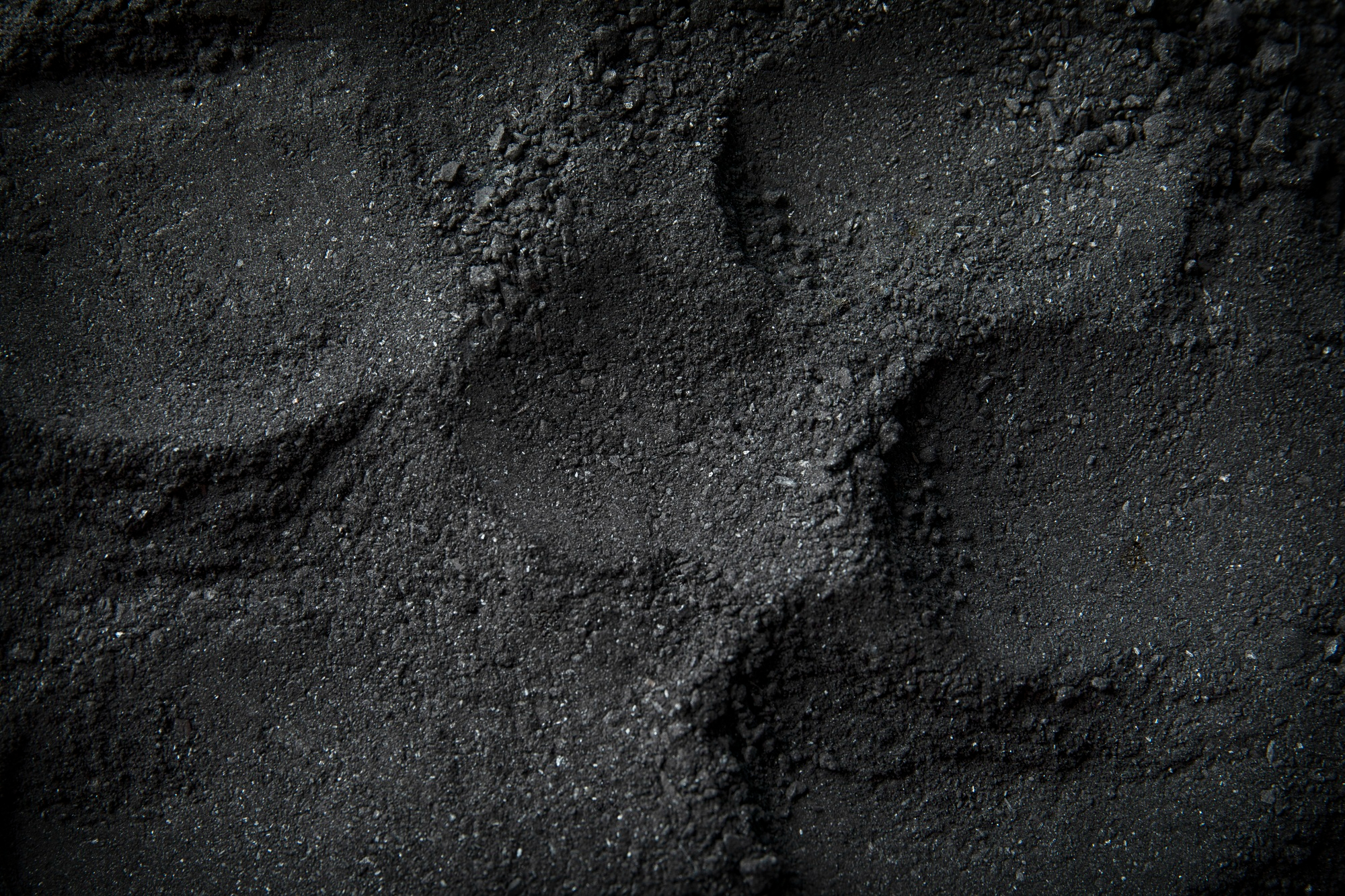
Classic ashes (from pulverized fuel boilers) are fly ash and slag produced during the combustion of solid fuels — mainly hard coal and lignite — in pulverized fuel boilers, where the fuel is burned in finely ground form. Under high temperature conditions, some of the mineral components of the fuel melt and cool rapidly, which promotes the formation of glassy phases and spherical grains.

SDA products
(Semi-Dry Absorption products) are fine-grained materials produced in semi-dry flue gas cleaning installations, mainly used to remove acidic components from waste gases (especially SO₂, HCl, and HF) in the power and industrial sectors. In SDA technology, a suspension or solution of calcium sorbent (usually Ca(OH)₂ lime milk) is introduced into the hot flue gas, which reacts with the pollutants to form solid reaction products that are then captured in dust collectors (bag filters or electrostatic precipitators).
Fluidized bed ash
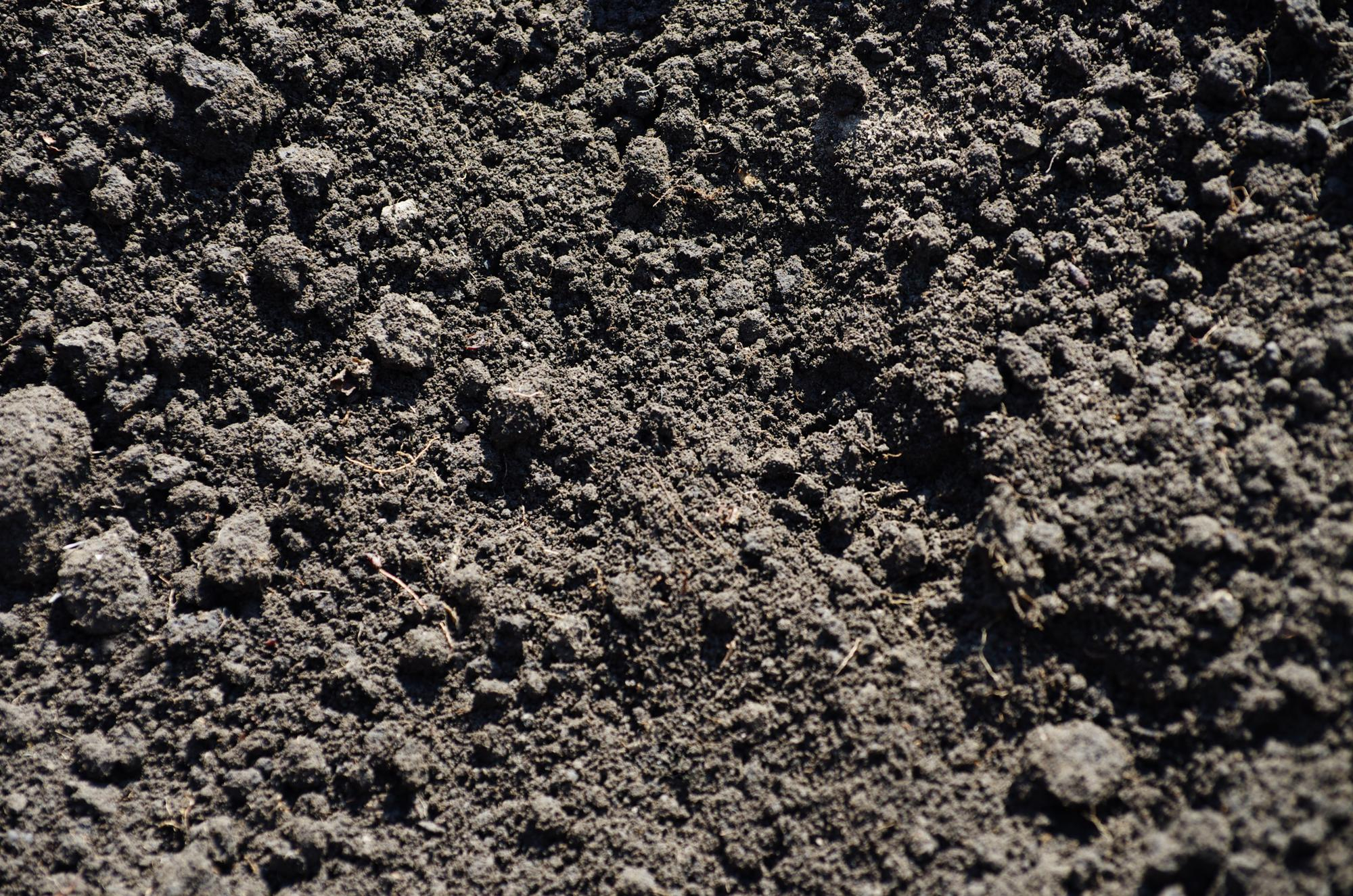
Fluidized bed ash comes from the combustion of fuels in fluidized bed boilers (CFB/BFB), where the fuel is burned at lower temperatures than in pulverized fuel boilers, in the presence of bed material (e.g., sand) and often with the addition of lime sorbents for desulfurization.
Biomass ash
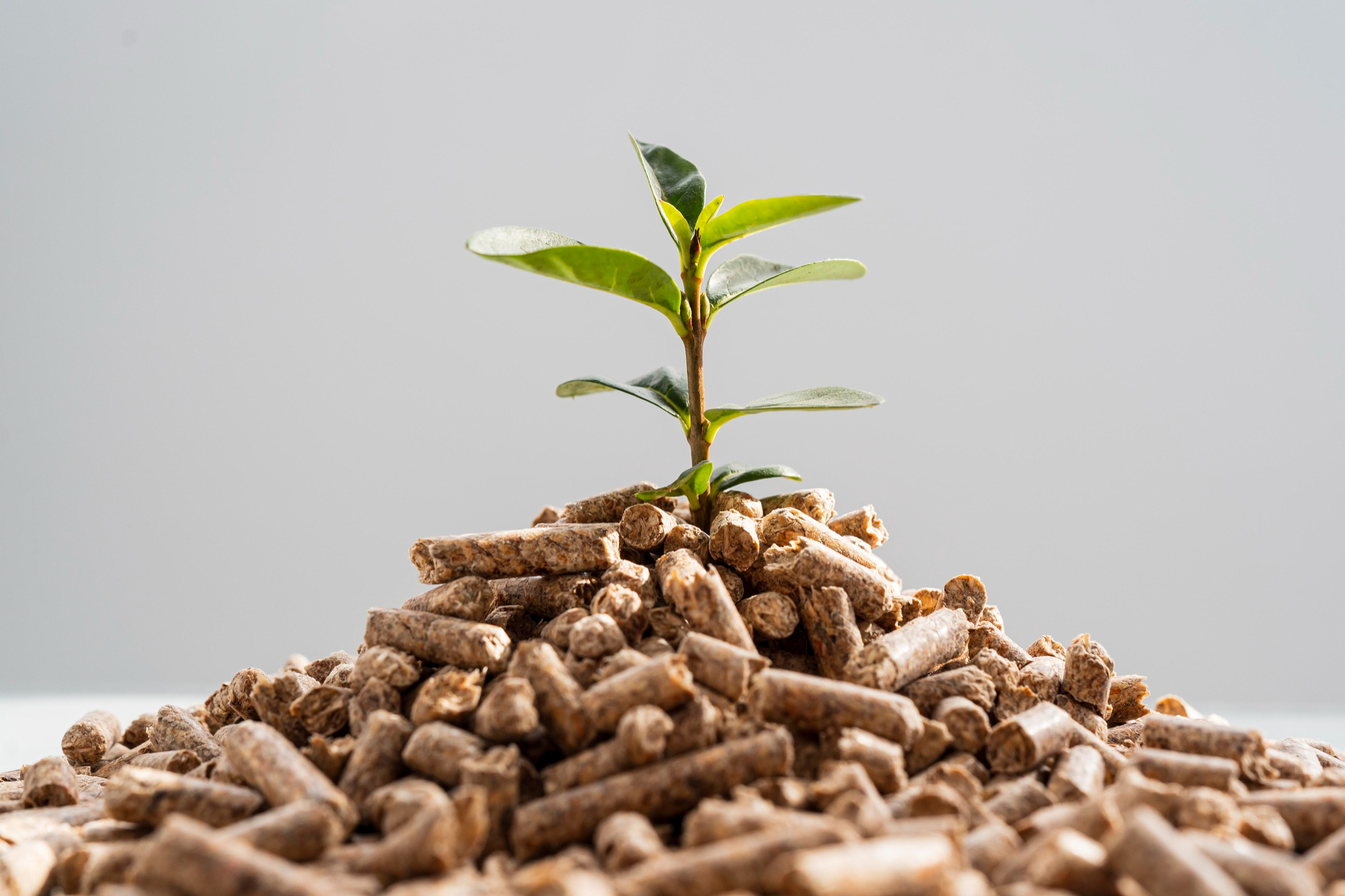
Biomass ash is the mineral residue left after burning biomass (e.g., wood, straw, husks, seeds, agricultural and forest biomass) in power and industrial plants. Compared to coal ash, it has a different chemical composition due to the biological origin of the fuel.
Do you have any questions?
If you need any additional information regarding our activities, research, or collaboration, please contact us. We will be happy to provide detailed explanations and answer any questions you may have.