
Vision
Vision
CIMA
10 truths about combustion by-products
- Combustion by-products are anthropogenic minerals generated in the processes of energy and industrial combustion of fuels, and their status depends on the properties, method of handling and compliance with legal requirements.
- UPS should not be judged solely by its origin. Their composition, stability of parameters, washability, quality control and intended use are of key importance.
- In many applications, UPS can replace primary raw materials, reducing the use of natural resources and supporting a circular economy.
- Fly ash, slags, flue gas desulfurization products and other UPS streams have different properties, therefore each of them requires a separate technological and environmental assessment.
- The UPS part has pozzolanic, hydraulic or filling properties that can be used in cements, concretes, binders, road construction, geotechnics and other material technologies.
- Safe use of UPS requires compliance with appropriate standards, technical specifications, environmental requirements and principles of quality documentation.
- UPS become a problem when there is a lack of a qualification system, quality control, appropriate applications and cooperation between manufacturers, consumers, science and administration.
- Storage of UPS should be treated as a loss of a resource if there is a technically, environmentally and economically justified possibility of using it.
- The ‘Priority to Secondary’ principle means reasonable priority for secondary materials where they can safely and effectively replace primary raw materials.
- The future of UPS depends on standardization, research, transparent documentation, stable regulations and practical industrial implementations.
Anthropogenic Minerals
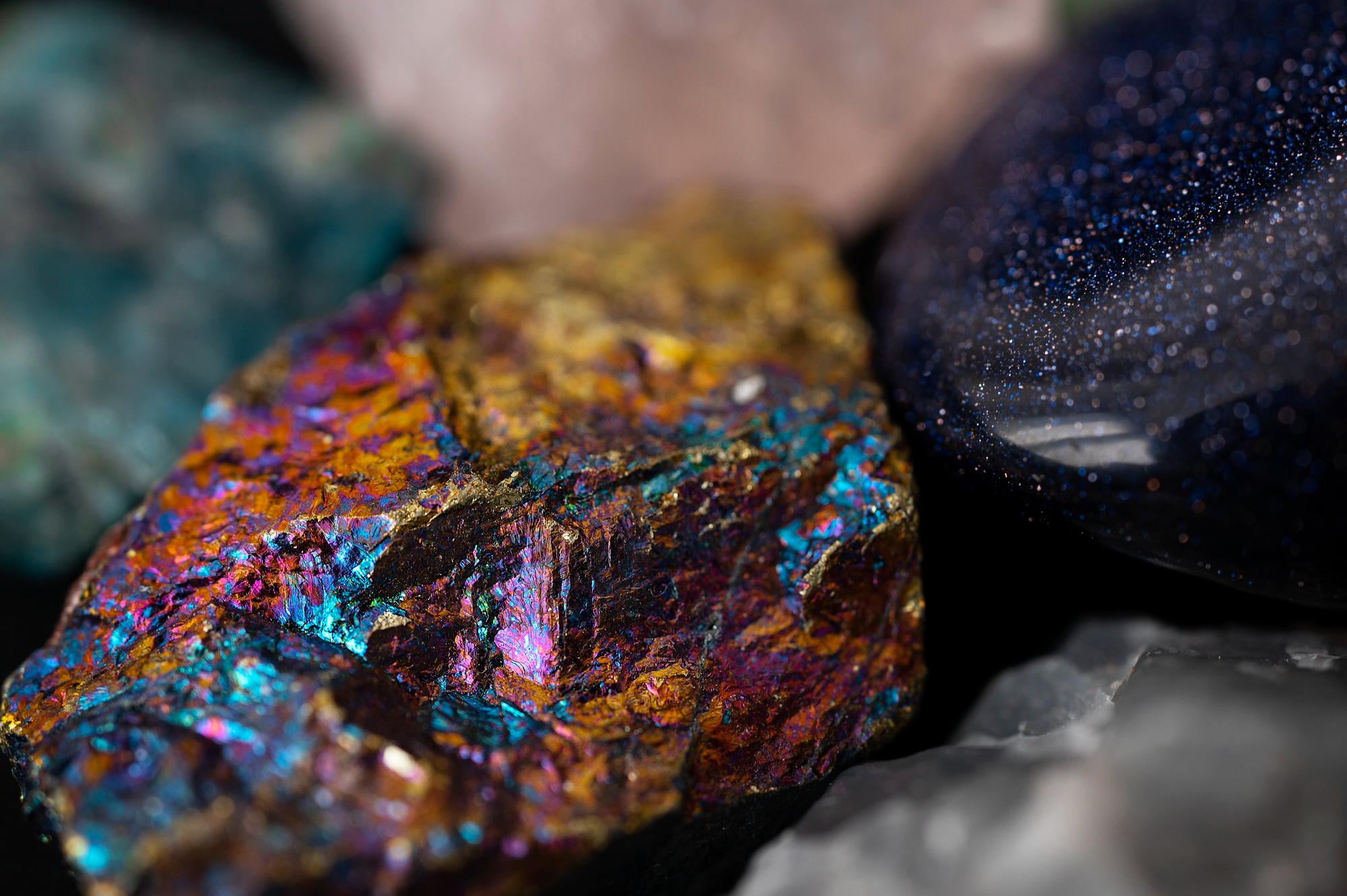
Every year, approximately 700 million anthropogenic minerals are produced in Europe, including approximately 150 million tons of by-products of coal combustion in the energy industry, of which over 100 million tons are produced in the 28 member states of the European Union, of which over 20 million tons in Poland. Unfortunately, most of them are treated as waste and not as secondary resources.
By-products of coal combustion are subject to REACH regulation so that they can be placed on the market as a chemical substance subject to this law. They are mainly used as raw materials for the production of cement, binders and concrete, and as aggregates and fillers in construction. Meeting the requirements of technical standards, European or national, for specific applications is a key technical prerequisite for using coal combustion by-products in material and/or product areas.
The protection of natural resources and their rational, efficient management is the direct goal and context of the Circular Economy. In this approach, UPS may play a key role, also as a substance capable of converting other anthropogenic minerals into products. Long-term activity in the sphere of innovation is characterized by an approach based on the principles of the Circular Economy, and intensive research and development activities should be undertaken now in the field of treatment of anthropogenic minerals in the energy industry. Ultimately, all anthropogenic minerals generated during the combustion of coal for electricity generation can and should be managed within the framework of appropriate product and material standards. The main directions of product development of anthropogenic minerals from the energy sector, well recognized in the world and in the country, should be popularized. Further scientific research and technical progress in new directions of their application is essential. This should result in significant changes for energy producers.
A significant reduction in greenhouse gas emissions into the atmosphere is another serious positive effect of the use of anthropogenic minerals. The current regulations contained in the Waste Directive mean that technical, economic and environmentally based industrial practices applied to well-characterized anthropogenic minerals are in practice considered to be the recovery of waste material. Meanwhile, the energy industry should focus on prevention and producing raw materials or products that meet technical standards.
The proposed indicators developed by the Ellen MacArthur Foundation as part of the package of preparations for the implementation of Circular Economy solutions focused on the production of products. They did not take into account the specificity of mass anthropogenic minerals, in particular those originating from coal-fired energy. Economic results and aspects are a very important dimension of the approach determined by the principles of the Circular Economy.
Without ensuring proper and extensive educational support, it is impossible to implement the entire complex of issues outlined above and maintain it in the long run on a scale relevant to the intentions expressed when presenting the Circular Economy package. A detailed action plan necessary to implement the Circular Economy solution package is necessary. Such plans should be the basis for introducing national regulations and policies and take into account the specific conditions of individual entities.

Secondary First
10 steps to protect natural resources
- Let's not be stupider than a resourceful farmer who first uses what is produced on his farm - manure - to fertilize his land, and only when he runs out of it, he buys artificial fertilizers. Open your eyes.
- Check how many and what mineral resources the economy needs? See needs.
- Determine the indicators of the actual environmental costs of obtaining resources for individual raw materials. Determine environmental load indicators.
- Calculate all costs, including environmental costs of raw materials depending on the place of production and use, related to their acquisition, processing into a product, delivery to the place of use and installation. See the current costs of natural resources.
- Determine the scope of replacement of natural raw materials by anthropogenic minerals, whether they are created on an ongoing basis or located in landfills, indicating the conditions of access to them. See alternative sources.
- Determine the costs of possible processing of these raw materials into the necessary products and delivery to the place of use and partners in this process. Determine the costs of alternatives.
- Calculate the savings or additional costs associated with replacing natural resources with anthropogenic ones and where they are created. See who gains or loses how much from alternative solutions.
- Analyze technical standards at national and EU level and identify areas to be updated or changed in line with BAT worldwide. What and who should do to change bad norms? Remove standardization barriers.
- Analyze the procedures in public procurement, whether and how they include Priority for Secondary? What and who should do to change the bad law? Remove formal barriers.
- Find partners to implement First Secondary strategies, the successful implementation of which will leave our children with more resources and less landfills. It's easier together.
Circular Economy
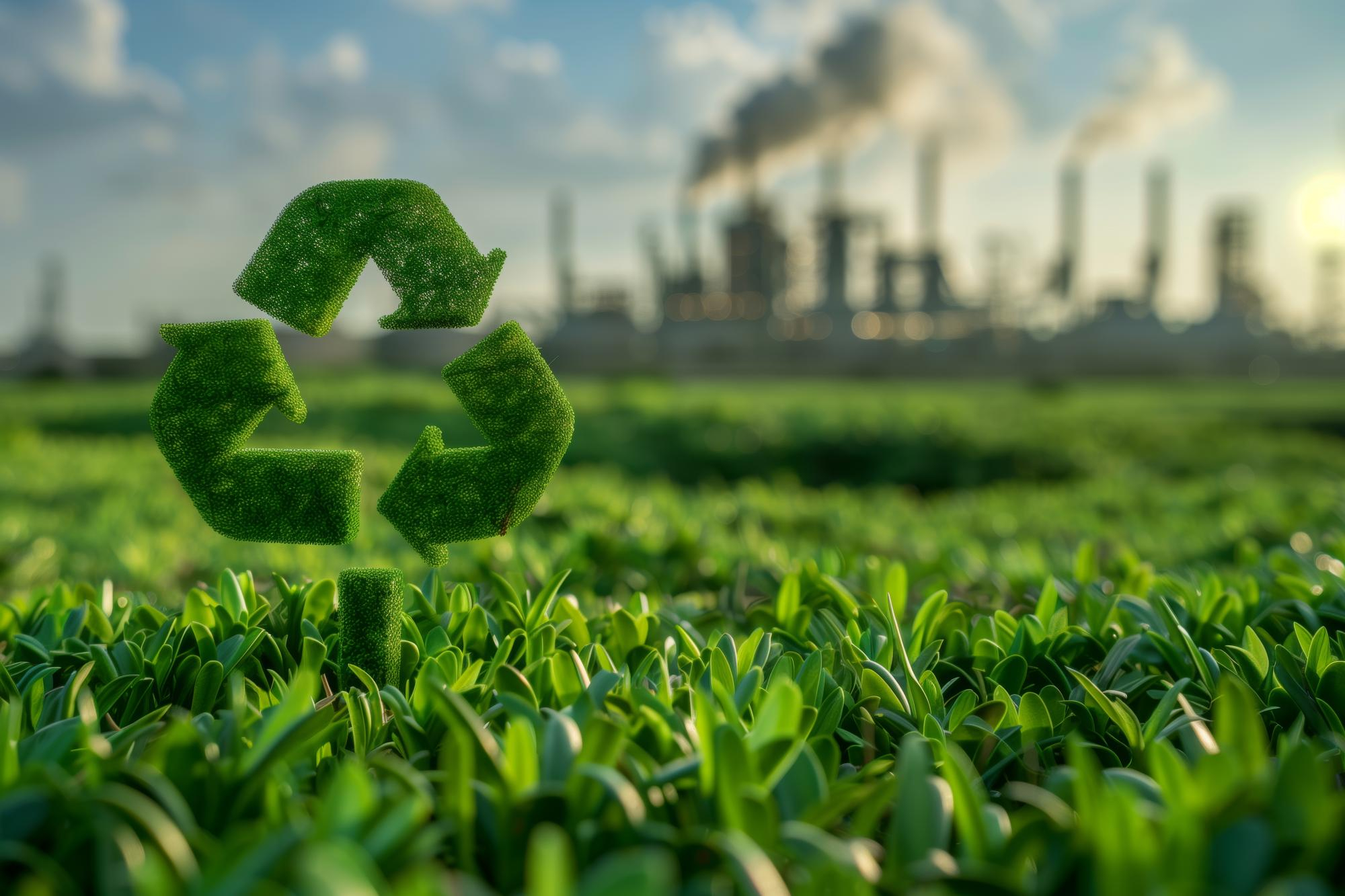
Circular economy (GOZ) in Poland is a direction of transformation in which the consumption of primary raw materials is reduced, product lifetimes are extended, and anthropogenic resources are treated as a valuable asset. Poland is implementing this model on the basis of the government “Roadmap for the Transition to a Circular Economy (GOZ),” adopted in 2019 and aligned with EU objectives on resource efficiency and climate neutrality.
In practice, this means developing eco-design, separate collection and recycling, the use of secondary raw materials, and support for new circular business models (e.g., repair, reuse, services instead of sales). At the same time, reports indicate that the pace of change is still uneven—initiatives and investments are growing, but circularity indicators need improvement, and the system requires stable regulations and better coordination.
Local governments, universities, and enterprises are also playing an increasing role by testing circular-economy solutions in industry, construction, the bioeconomy, and waste management, thereby building the foundations of a more resilient and innovative economy in Poland.
Combustion By-Products (UPS)—mainly fly ash, slags, and gypsum from the power sector—constitute an important stream of anthropogenic raw materials within Poland’s circular economy. Rather than being landfilled, they can and should replace natural raw materials in cement plants, concrete production, road construction, or mining, which reduces aggregate extraction and lowers the CO₂ footprint of entire production chains.
From a circular-economy perspective, UPS are an example of an anthropogenic resource: their safe and standardized use supports the goals of the GOZ roadmap, develops the market for secondary materials, and increases overall resource efficiency. What is crucial here are stable regulations, quality control, and treating UPS as by-products wherever they meet technical and environmental requirements.
UPS and products based on them support climate protection by avoiding emissions associated with the manufacture of products such as cement. An example is the Tefra binder family (https://tefra.eu/).

UPS in the European Union
In the European Union, combustion by-products (UPS) are perceived less and less as troublesome waste and more and more as a resource for the circular economy.
EU policies have consistently shifted the emphasis from disposal to waste prevention and its use as an anthropogenic resource with the potential to protect natural resources and avoid emissions. The condition is that UPS meets quality and environmental requirements.
At the same time, a key legal distinction remains at the European level: materials are or are not waste, and the possibility of UPS being considered a by-product or an anthropogenic resource requires documentation of the safety and stability of their properties.
At the same time, the importance of standardization and unification of ash, slag and flue gas treatment residues management practices is growing in the EU, because currently the level of their use and national requirements are significantly different. This opens up space for research and implementation that combine material efficiency with real climate and environmental benefits.
In this context, knowledge about the legal and quality status of UPS is particularly important: in accordance with the EU Waste Framework Directive, materials may be treated as a by-product or obtain end-of-waste status if they meet certain conditions of safety and market suitability. It is these mechanisms that determine whether UPS can function freely as secondary raw materials in the economy.
At the same time, the European circular economy policy - including the Action Plan for the Circular Economy – focuses on increasing the share of anthropogenic resources in industry and the development of markets with high quality and repeatable parameters. This directly strengthens the demand for research on UPS and technologies for adapting them to product requirements.
CIMA fits into these directions by developing technologies and models of UPS use that respond to both quality and environmental requirements.
Our goal is to support the transition from "waste management" to resource management: from characterization and standardization, through product valorization and design, to implementation demonstrations on an industrial scale.
In practice, this means building solutions that help increase the real level of UPS use in Europe and level out differences between member countries.
Do you have any questions?
If you need any additional information regarding our activities, research, or collaboration, please contact us. We will be happy to provide detailed explanations and answer any questions you may have.